

Events & Dialogues
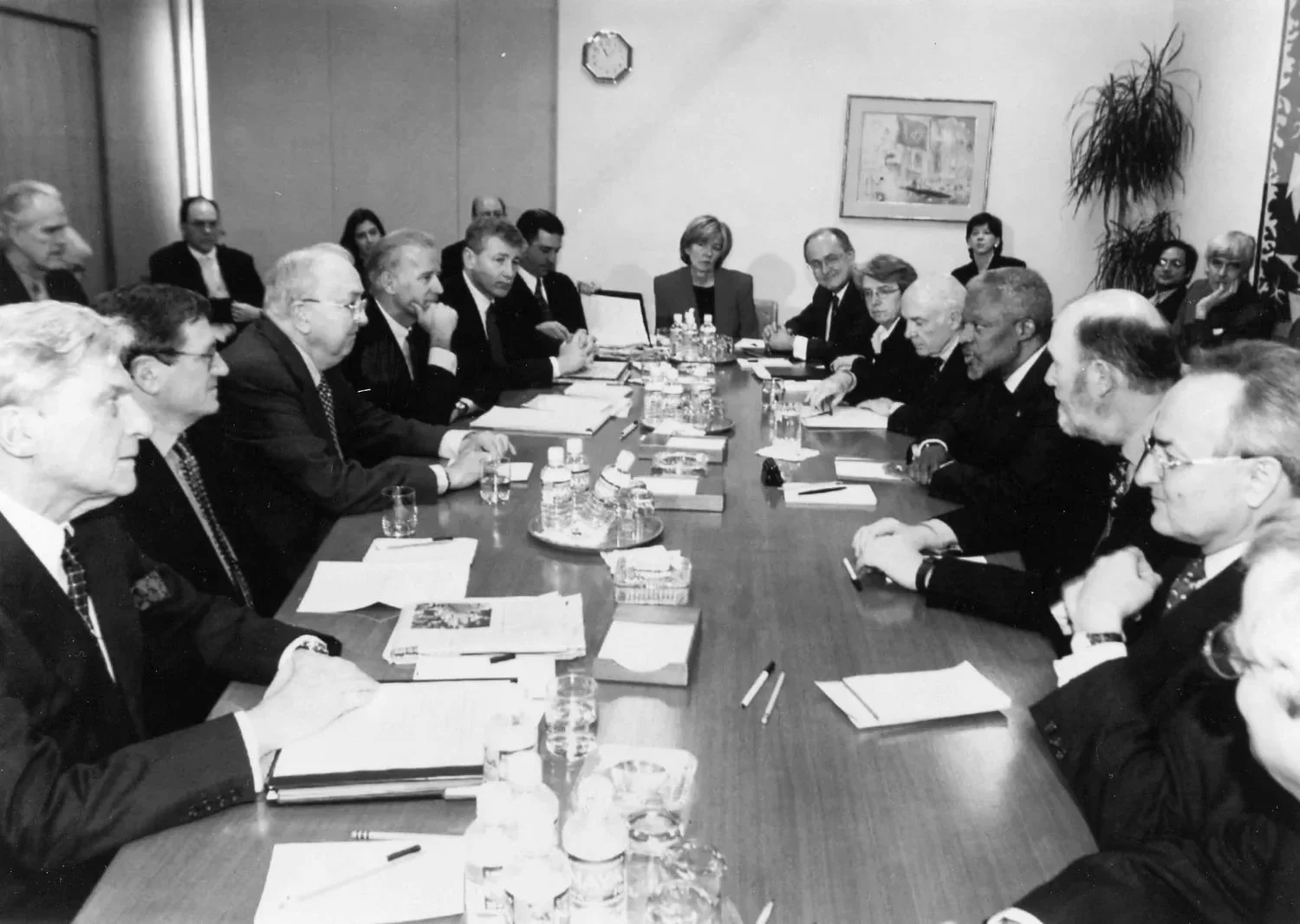
The Helms-Biden Playbook: Lessons from a Previous Impasse in the UN budget and U.S. - UN Relations
On Tuesday, December 16, the Starling Institute hosted a virtual discussion (recording below) on “The Helms-Biden Playbook: Lessons from a Previous Impasse in the UN budget and U.S.-UN Relations”. We discussed the historical context of the Helms-Biden deal and the implications for today’s crisis. The panel, moderated by Starling Institute CEO, Minh-Thu Pham, included:
Robert C. Orr, Professor, UMD School of Public Policy; Former Deputy to the U.S. Permanent Representative to the UN, Ambassador Richard Holbrooke, 1996 - 2001
Mark P. Lagon, Chief Policy Officer, Friends of the Global Fight Against AIDS, Tuberculosis, and Malaria; Senior Staff on the Helms-led Senate Foreign Relations Committee, 1999-2001
Suzanne Nossel, Senior Advisor, Starling Institute; Former Deputy to the Ambassador for UN Management and Reform at the U.S. Mission to the UN, 1999-2001 & the lead negotiator of the agreement underpinning Helms-Biden
Brett D. Schaefer, Senior Fellow, American Enterprise Institute; Former Senior Research Fellow, Heritage Foundation
Photo Credit: The Jesse Helms Center Foundation
Eighty years after its founding, the United Nations today faces a financial crisis as Member States fail to pay their dues in full and on time. In particular, the United States has thus far withheld all funding to the UN regular budget and sharply reduced its voluntary contributions to the UN’s funds and programs, leaving a critical 22 percent hole in the UN regular budget and a crisis across the UN system. Meanwhile the Chinese Government paid their assessment in October, giving the UN little time to spend it before the remainder returns to Beijing at year’s end; furthermore the UN’s second largest contributor to the regular budget has traditionally also offered relatively paltry voluntary contributions to the rest of the UN system.
Members of the U.S. Congress have often become frustrated with the relative levels of U.S. contributions to the UN’s budget, and questioned the UN’s relevance to American interests. In the 1990s, Republican politicians, led by Senator Jesse Helms (R-NC), resisted releasing U.S. dues payments absent a recalculation of budget formulas and certain reforms to the institution. After more than a year of negotiations, U.S. Ambassador to the UN Richard Holbrooke reached an agreement with UN Member States to lower the U.S. contribution in the regular budget from 25 percent to 22 percent, where the U.S. assessment rate is today, and Senator Helms freed the first set of blocked funds in 2000.
The Starling Institute held this virtual discussion on reflections from the last major UN budget and arrears crisis and Helms-Biden negotiations and considered paths to addressing the UN’s current financial crisis and rebuilding the U.S. - UN relationship. We may be in a different moment, but there is an opportunity to learn from the past.
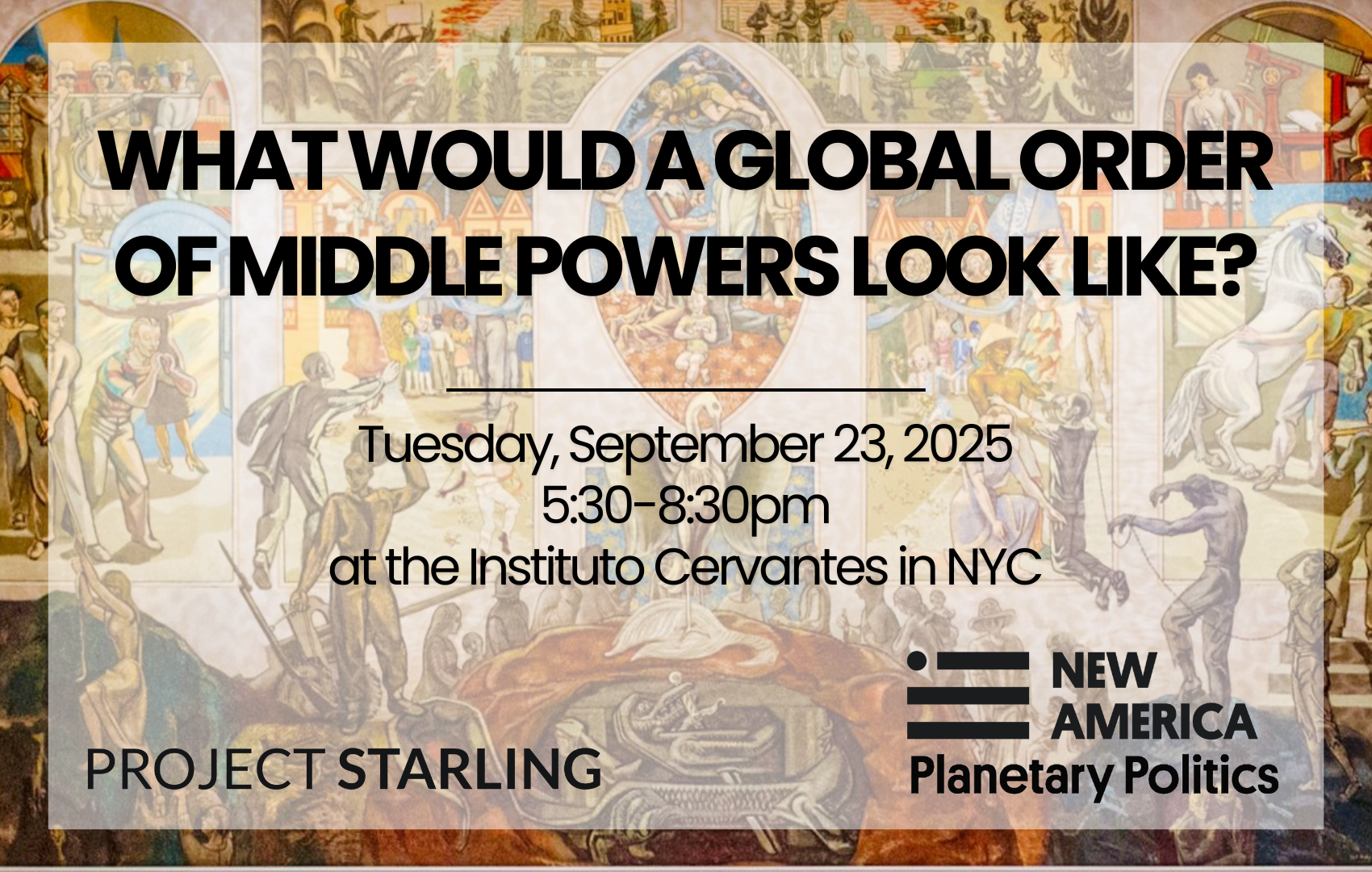
What Would a Global Order of Middle Powers Look Like?
“What Would a Global Order of Middle Powers Look Like?”
Conversation & Garden Reception
at the Instituto Cervantes
On Tuesday, September 23, 2025, New America and the Starling Institute hosted an exciting conversation (recording above) during United Nations High-Level Week.
We explored three central questions. What would it mean to re-imagine a new global order? Should a reimagined order be based on shared values? What are the near coalitions that need to happen?
The conversation opened with brief opening provocations, or 'lightning talks' by:
Martín Abregú, Vice President of International Programs at the Ford Foundation;
Amitabh Behar, Executive Director of Oxfam International;
Richard Gowan, UN and Multilateral Diplomacy Director at the International Crisis Group;
Kate Higgins, CEO of Cooperation Canada;
Stewart Patrick, Senior Fellow and Director of the Global Order and Institutions Program at the Carnegie Endowment for International Peace;
Zane Dangor, Director General of the Department of International Relations and Cooperation, South Africa; and
Mariana Mazzucato, Professor of Economics of Innovation and Public Value, University College London.


The discussions offered some important insights:
There was broad agreement that the time for action is now and that the current multilateral system is approaching a breaking point. That said, we are still lacking a clear blueprint on how to shape the future toward the system we want to see.
Regaining public support for multilateralism will require concrete steps to tackle real issues and address the economic insecurity felt by so many while demonstrating the centrality of global cooperation to a promising future.
It is time for middle powers to step up. After 80 years of waiting for great powers to lead, there is a space, with great powers unable or unwilling, to break the mold and act.
Reform the current system rather than try to rebuild it from scratch. Middle power leadership requires a functioning multilateral system. There is opportunity to build upon what exists and shape institutions that support a promising future.
Build a coalition of the willing. The moment calls for a flexible network of states, united by both trust and self-interest, that are ready and capable to step up.
Hold principles to account. As we rethink the system, equity, solidarity, and sustainability must be central.
Peace and Security remains challenging. Without the active engagement of the great powers, middle powers will likely find an international security system difficult to maintain
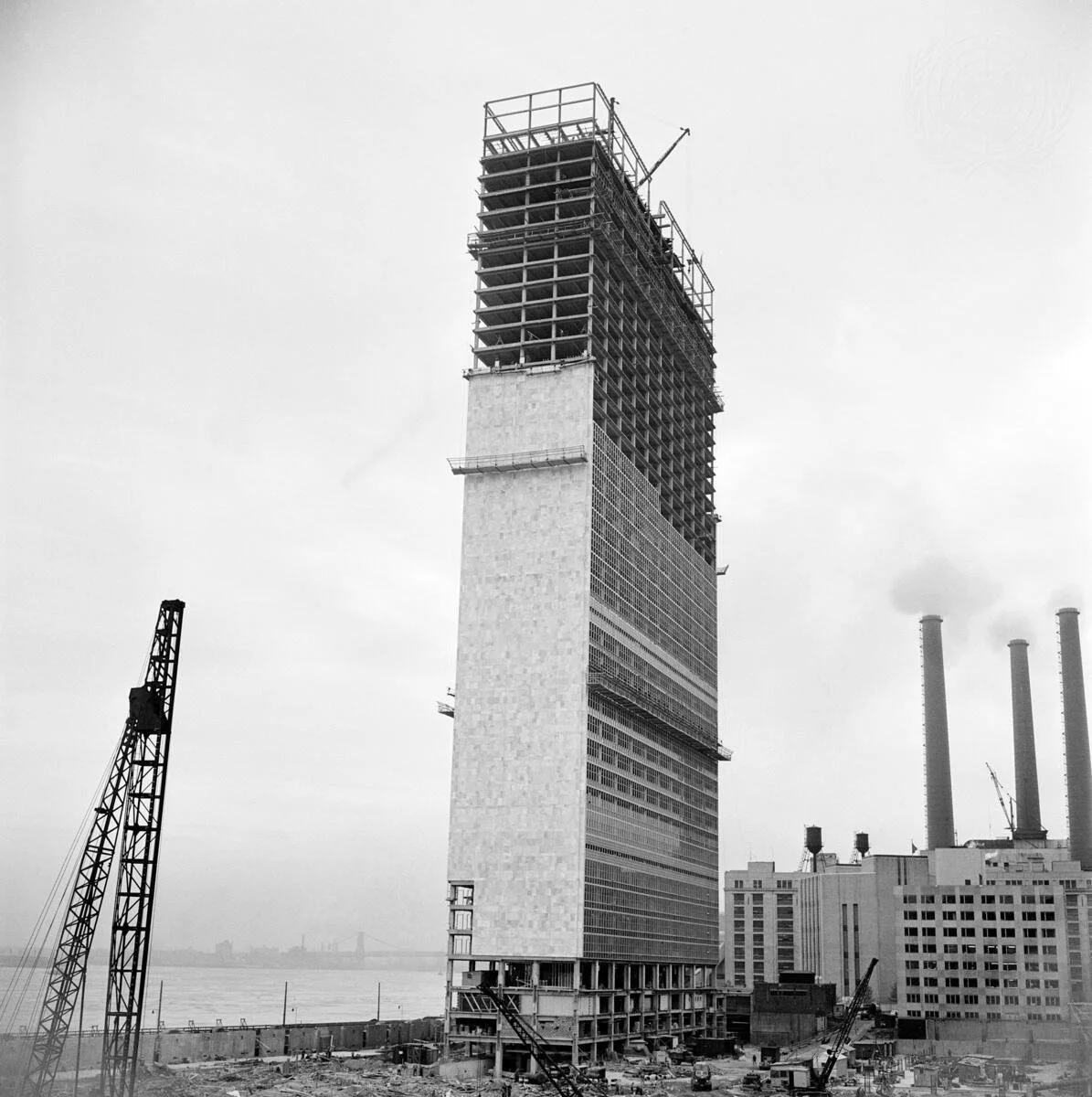
UN80: Expectations, Opportunities, and Risks
On Wednesday July 30, 2025, the Starling Institute gathered approximately 80 participants in New York City, and online, to discuss the expectations, opportunities, and risks of Secretary-General Antonio Guterres’ UN80 Initiative. The discussion focused particularly on the contested vision for the reforms under UN80, and the opportunities and risks associated with comprehensive reform in a moment of geo-political tensions and acute budget pressures.
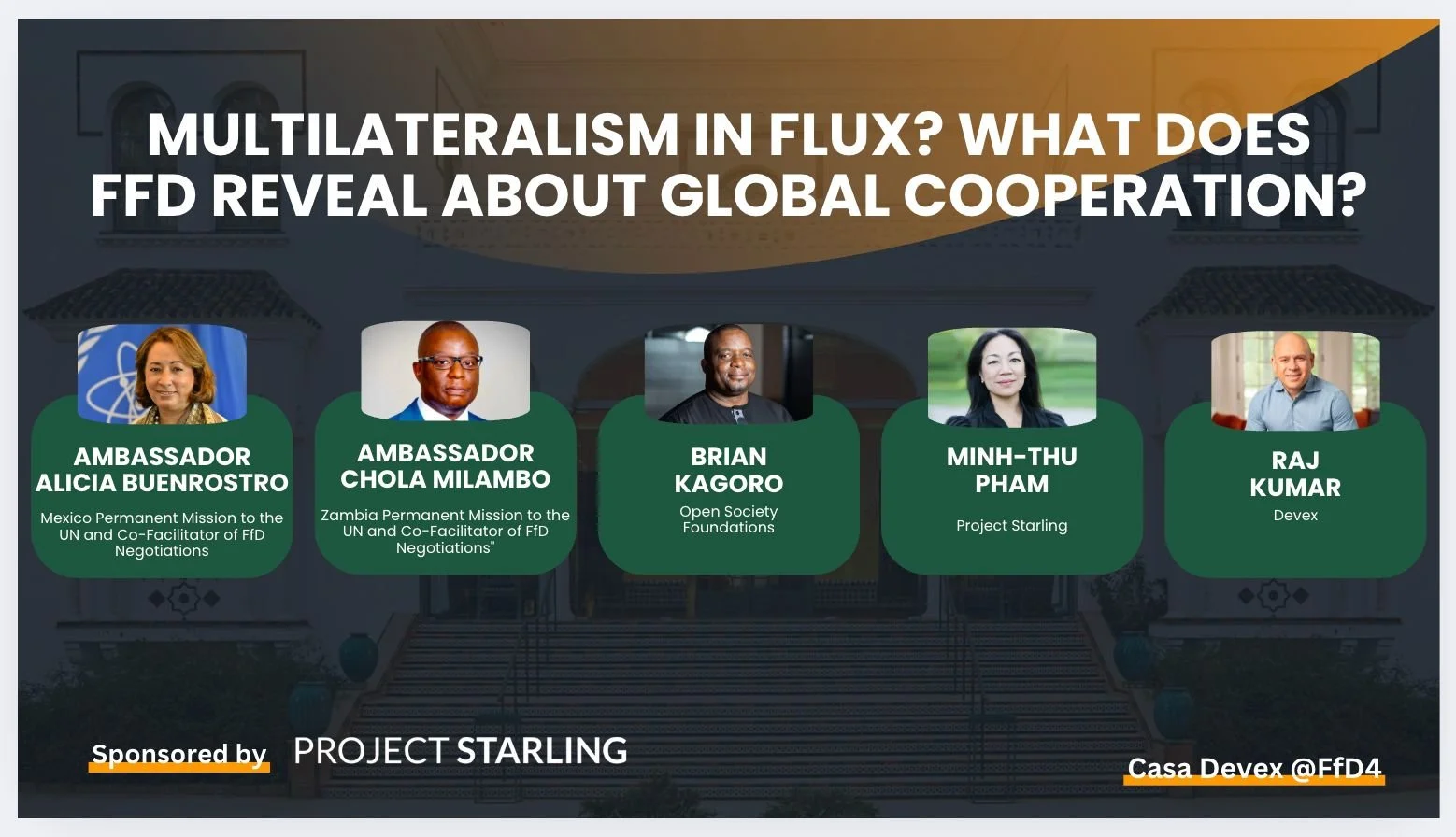
Multilateralism in Flux? What Does the FFD Outcome Reveal About Global Cooperation?
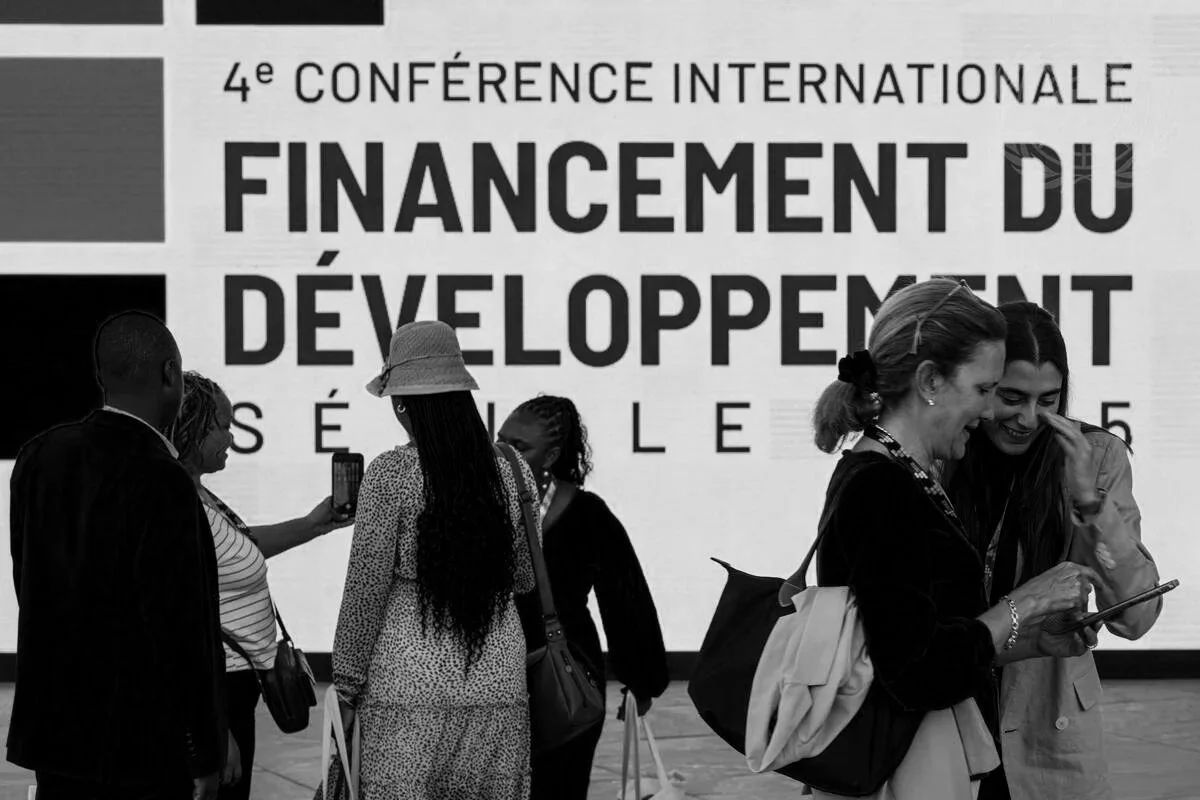
The road to the Compromiso de Sevilla outcome of the 4th International Conference on Financing for Development (FFD4) offers a window into multilateralism today and where it’s going. Are we witnessing a recalibration or a fundamental reshaping of how nations collaborate — and how do we harness this moment for change?
Project Starling & Devex held an important conversation on what FFD4 says about the state of multilateral cooperation. The event took place at Casa Devex (Villa Luisa) in Sevilla, Spain on June 30, 2025 on the sidelines of the United Nations FFD conference.
From Reflection to Action: Strategies to Support the UN80 Initiative
On May 28, 2025, the Starling Institute convened a private discussion of senior diplomats and UN experts on strategy, planning, and support around the reform and budget efforts bundled under the “UN80” initiative. The conversation explored how a coalition of constructive and multilateralist-minded member states, with the support of experienced outside experts, could advance UN80 in constructive ways.

Exploring Priorities for the Pacific Small Island Developing States in FfD4 Negotiations
On May 15, 2025, the Permanent Mission of Tuvalu to the United Nations and the Starling Institute co-hosted a private breakfast meeting for representatives of the Pacific Small Island Developing States (PSIDS) on the negotiations of the outcome document of the 4th Conference on Financing for Development (FfD4). The meeting aimed to provide a space for PSIDS to convene around a joint set of priorities, strategize for the negotiations in the lead up to the Seville conference.
Private Luncheon on the Future of International Development Cooperation in FfD4
The Starling Institute hosted a private lunch conversation among about twenty Member State Ambassadors as well as leaders in development finance, to discuss the future of international development cooperation, particularly for the most vulnerable, on the sidelines of the 2025 Financing for Development Forum. We explored what policies and changes countries could be supportive of that could help offset reductions and increase financing to those most in need. The discussion explored ways to support development finance and leverage greater collaboration on issues including reforms to the global financial infrastructure, addressing sovereign debt relief, the power of new partnerships, and encouraging greater transparency and local ownership of aid flows.
2025 Retreat for Least Developed Countries: “Planning for Success in Seville”
On April 17, 2025, the Permanent Mission of Nepal, as Chair of the Least Developed Country Group (LDCs), and the Starling Institute convened a retreat for LDC Ambassadors and experts. Less than three months before the FfD4 conference in Sevilla, Spain, the retreat aimed to help clarify this group’s collective development finance priorities and how best to achieve them. Representatives from 22 of the 44 LDCs and UN experts participated in the day-long session.
The Future of Multilateralism in an Era of Upheaval
On March 11-12, 2025 the Starling Institute and Carnegie Endowment for International Peace’s Global Order & Institutions Program gathered about 30 participants, mostly U.S.-based, at the Pocantico Center of the Rockefeller Brothers Fund in Tarrytown, New York to discuss the global risks and opportunities of dramatic geopolitical shifts, not least in American foreign policy. Discussion focused on the implications of these developments for renewed multilateral cooperation.
Amplifying LDC Leadership in the FfD4 Negotiations
On March 3, 2025, the Starling Institute convened 34 participants from 12 Least Developed Countries for a private meeting to explore strategies for LDCs to secure a successful outcome at FfD4. Given the Sustainable Development Goals will not be achieved if significant progress is not made in LDCs, this event focused on enabling LDC diplomats to more effectively engage in FfD negotiations to advance the needs of LDCs.

Strengthening the Narrative for ODA and Beyond: FfD Prep Comm Side Event
Project Starling’s Side Event during the 3rd Preparatory Committee of the Financing for Development Process
Strategic Discussion on Financing for Development and the Elements Paper: Priorities for LDCs
The Starling Institute hosted a private meeting with LDC representatives to prepare for negotiations at the third FfD4 Preparatory Committee and ensure LDCs present a strong, unified front to secure outcomes addressing their priorities.
Retreat for Global South Countries on Financing for Sustainable Development
In January 2025, the Permanent Mission of Zambia to the United Nations, the South African Institute for Policy and Research (SAIPAR) and the Starling Institute, co-hosted a private retreat in Lusaka, Zambia, for member states and other stakeholders to discuss how to advance developing countries’ priorities on financing for development in preparation for FfD4.
From Words to Action: Planning a Networked Approach to Upholding Commitments from the Summit of the Future
In December, the Starling Institute brought together leaders and experts of global NGOs and think tanks and a handful of member state representatives, and at the Rockaway Hotel to discuss follow-up actions to the Summit of the Future. Participants explored how to maintain momentum on multilateral cooperation that delivers for people in the coming months and years. The retreat provided a space to collectively assess the shifting political environment for multilateral cooperation, identify the most transformative outcomes from the Summit, recognize what’s missing, and understand how political changes impact the process. Participants also discussed how to build the political capital needed to turn agreements into action and how they might work together in the coming months and years.
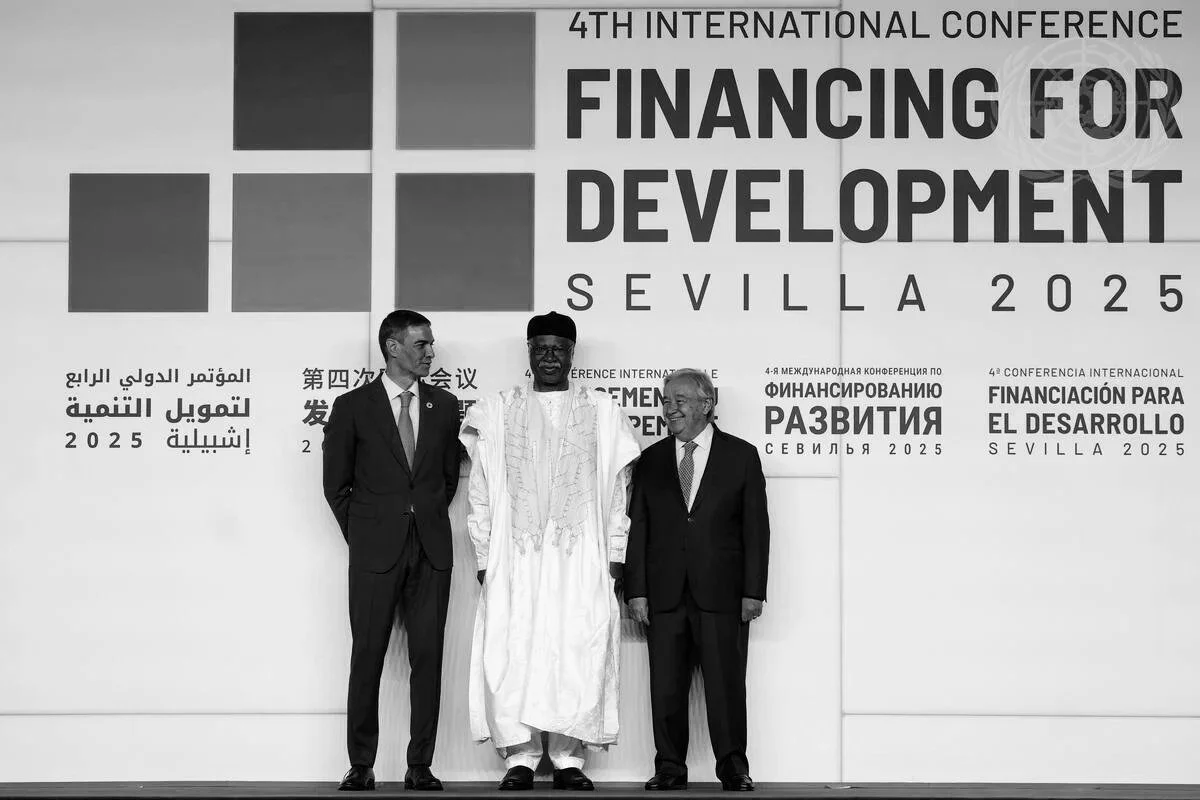
Financing for Development and the Elements Paper: Priorities for LDCs and SIDS
The Starling Institute hosted a luncheon in partnership with the International Peace Institute on the sidelines of the 2nd Preparatory Committee of the 4th Financing for Development Conference. The lunch was an opportunity for LDC and SIDS representatives to react to the publication of the Elements Paper and discuss priorities for the upcoming negotiations.
It was agreed that a successful conference would not solve all development finance issues but instead should be seen as planting the seeds for continued progress. The importance of LDC and SIDS collaboration and ability to advance common proposals was also highlighted, as was the need to focus on making Overseas Development Assistance more effective rather than just looking at aid volumes.
Preparing to Negotiate FfD4: The Role of Least Developed Countries in Past FfD4 Negotiations
On October 30 2024, the Starling Institute and the International Peace Institute (IPI) co-hosted a luncheon that gathered Least Developed Countries representatives to discuss strategy for the financing for development negotiations. It was noted that the LDCs can exert the most leverage on negotiations if they advance joint positions across areas like development finance, technology access, trade, and capacity building. This suggests that coordination within the G77 and other groups, although sometimes challenging, will be key to bolstering unity. The desirability of LDCs being active participants during the intersessional period and creating specialized negotiating sub-groups – with focused expertise on issues like debt, trade, and taxes – would also be of considerable utility.

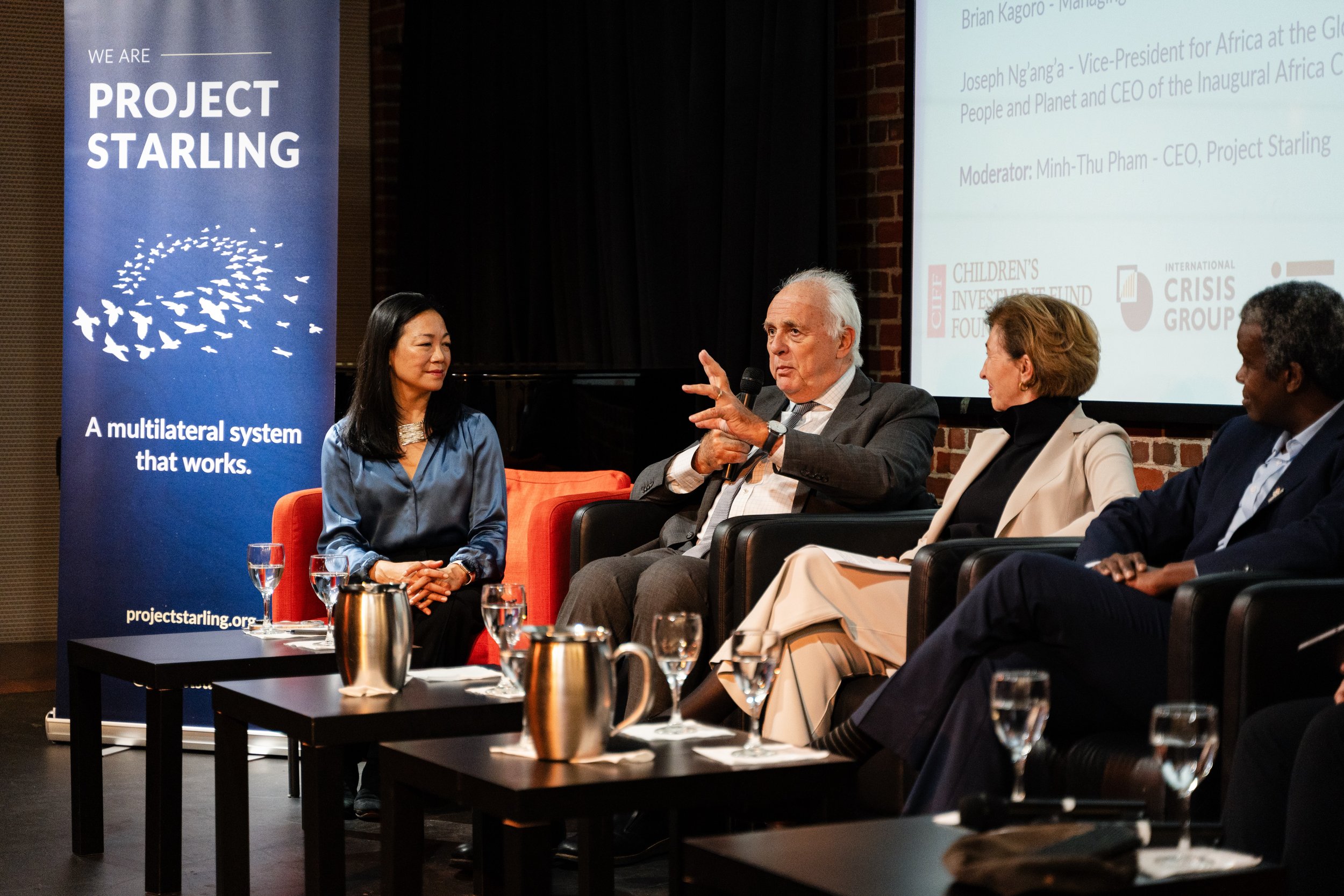
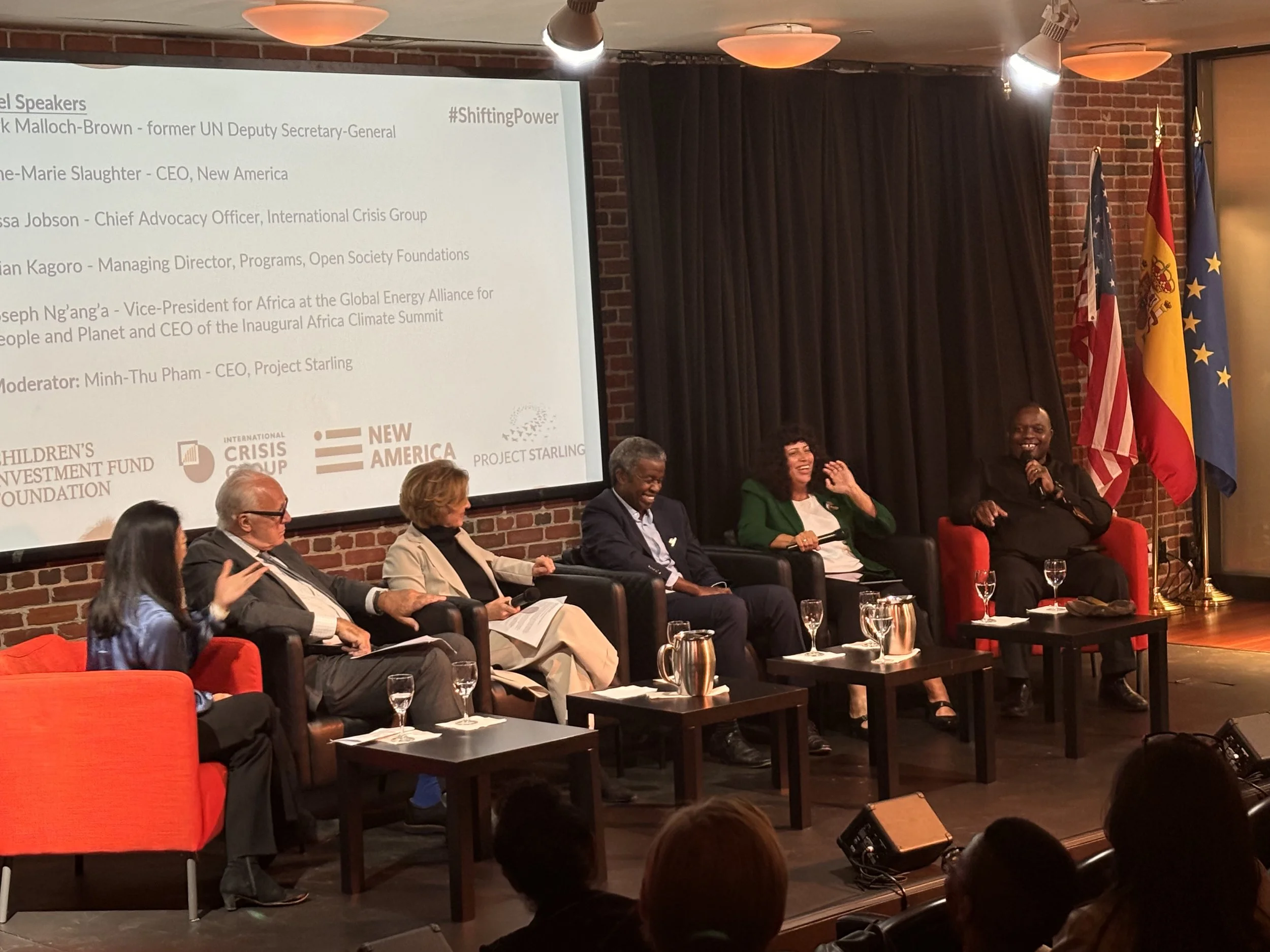
Shifting Power: Bold Strategies for a New Era of Global Collaboration
The unprecedented convergence of challenges facing global governance today demands bold and transformational responses. Amid growing great power competition, the rise of new actors, rapidly advancing technology, and outdated institutions, the system often appears stagnant and inflexible. Yet, our institutions are constantly evolving. Power structures shift, new players emerge, and innovative ideas can take root. The outcomes of the Summit of the Future demonstrate that global collaboration can still deliver for people and the planet.
The Starling Institute, New America, the International Crisis Group and CIFF hosted an exciting conversation to explore solutions that can meet this unique moment in history. We will discuss emerging responses and collaborative strategies to address today’s political, environmental, and social challenges.
Shifting Power: Bold Strategies for a New Era of Collaboration
This panel discussion explored opportunities to shift power to those most affected by global governance decisions. Our featured speakers are leading efforts that can help address today’s political, environmental, and social challenges and work towards a multilateral system that can deliver:
Mark Malloch Brown, former UN Deputy Secretary-General
Elissa Jobson, Chief Advocacy Officer, International Crisis Group
Brian Kagoro, Managing Director, Programs, Open Society Foundations
Joseph Ng’ang’a, Vice-President for Africa at the Global Energy Alliance for People and Planet and CEO of the inaugural Africa Climate Summit
Anne-Marie Slaughter, President & CEO of New America
Minh-Thu Pham, CEO, Starling Institute (moderator)




SUMMIT OF THE FUTURE Action Days Side Event: From Words to Action
SUMMIT OF THE FUTURE, Action Days Side Event, “From Words to Action: A Networked Approach to Enhancing Implementation of Commitments from the Pact of the Future
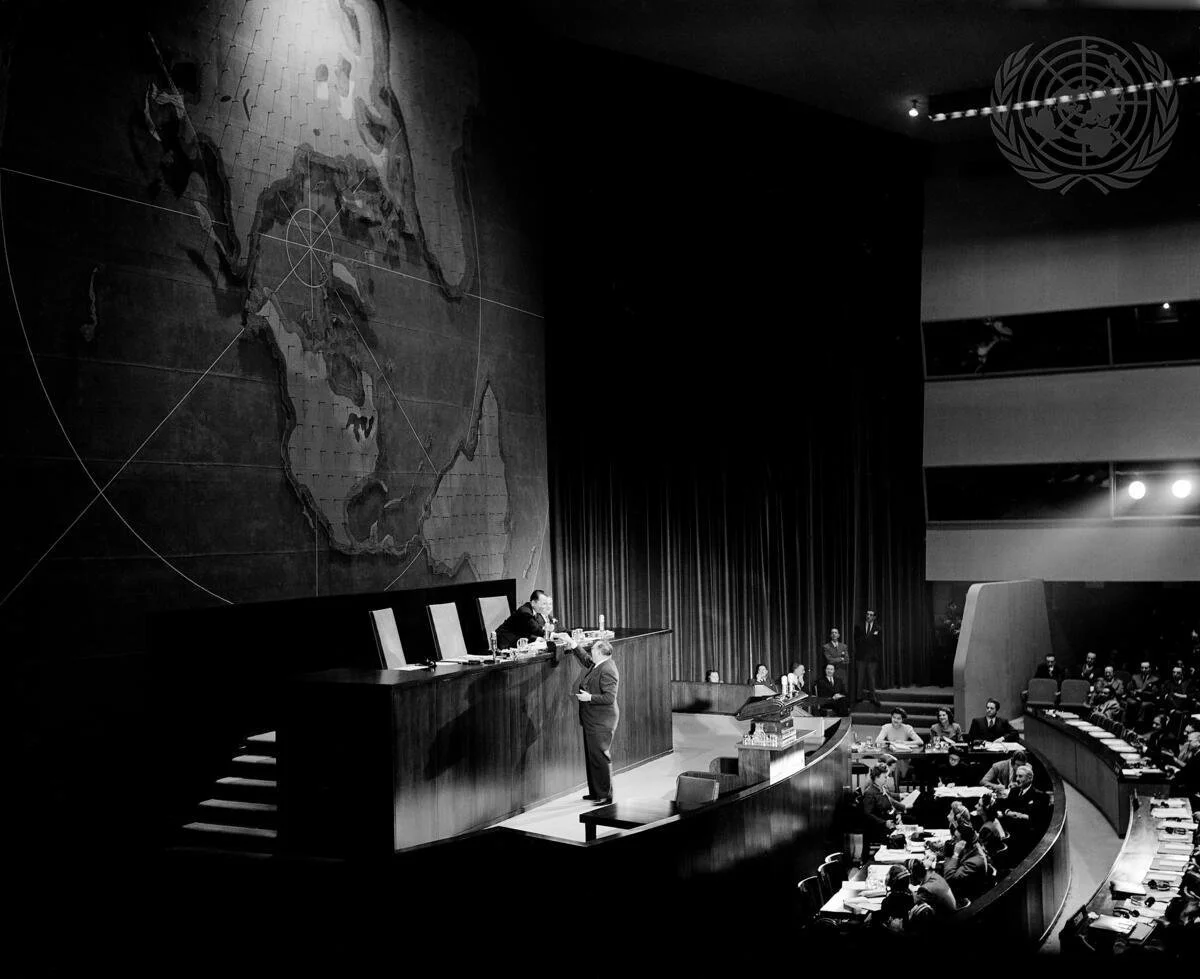
Renewing International Cooperation for the 21st Century: The Summit of the Future and Beyond
In April, the Starling Institute co-hosted a retreat with Southern Voice and CEPEI in Bogotá, Colombia. The retreat aimed to address the challenges facing global cooperation and explore strategies for rebuilding trust in international institutions, particularly from the perspective of the Global South. The agenda included sessions focused on the values and reforms needed for effective 21st-century governance, highlighting the critical role of the upcoming UN Summit of the Future in ushering in a new era of global governance. United Nations Deputy Secretary-General Amina Mohammed and Under Secretary-General Guy Ryder joined part of the meeting by video.
The retreat helped coalesce participants around the notion that the Summit of the Future represented an important opportunity to initiate positive global shifts and better rebalance international architecture to reflect Global South needs and aspirations. It was also acknowledged that the evolving global governance and norms remains a heavy lift, and will require concerted action on everything from addressing growing pessimism among the youth (particularly on issues such as climate change) and Multilateral Development Bank reforms to expand lending, enhance capacity, and leverage private investments.
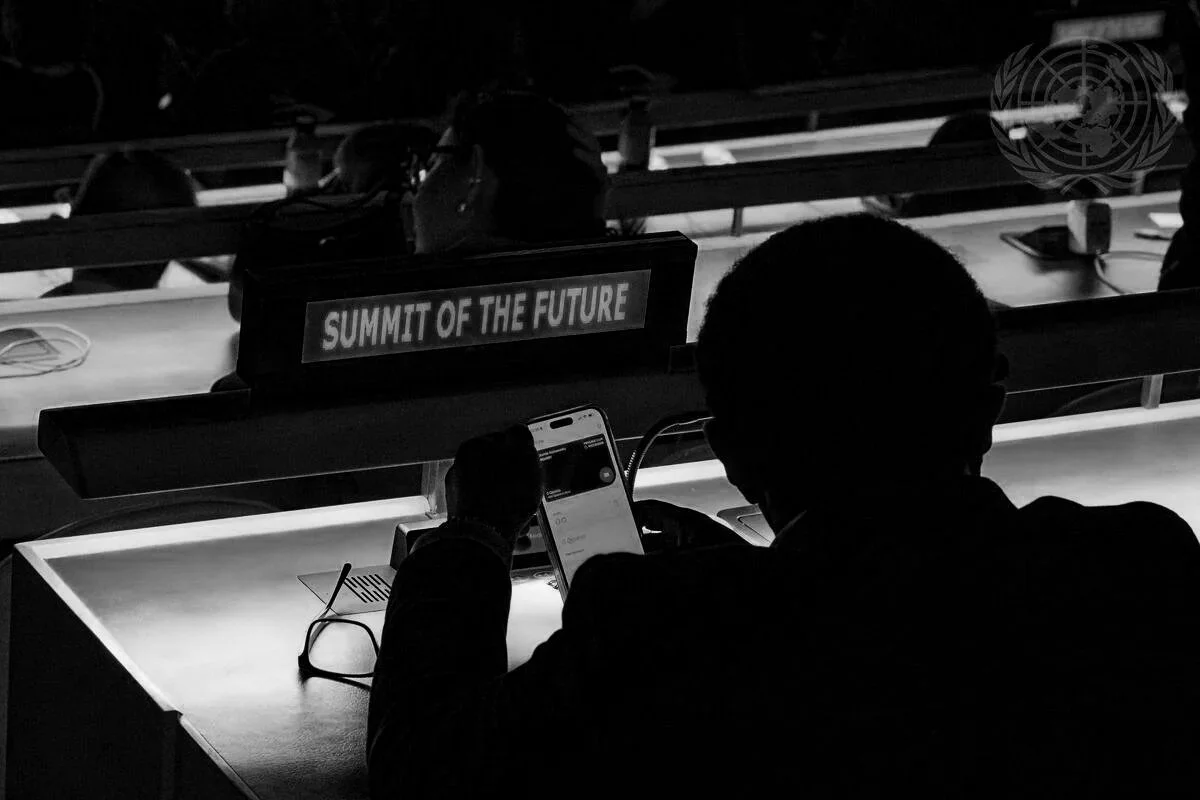
The Summit of the Future as a Normative Moment: Renewing International Cooperation for the 21st Century
In January, Project Starling hosted UN ambassadors and senior diplomats from multilateralist-minded Member States at the Pocantico Center in New York. This off the record retreat focused on exploring how the Summit of the Future can become a pivotal moment in shaping a more equitable, effective, and accountable global governance system for the 21st century.
Much of the discussions centered on elevating the Summit’s ambition, noting the need for concrete, actionable language in the Zero Draft and decisive commitments in the final Pact. The retreat also allowed participants to move from principles to actionable strategies, exploring cross-regional coalitions and the role of civil society in promoting and implementing ideas to support member states.